June 2026 was a very crucial moment for the cryptocurrency landscape, both globally and in Indonesia. With volatile price movements and a stream of regulatory updates and innovations, investors at home faced both new challenges and new opportunities.
If you want to keep your knowledge of digital asset investing up to date, here is a summary of the five most important events in the crypto industry throughout June 2026 that you need to know.
The 'Fear and Greed' Index Hits the Extreme Fear Zone
At the end of June 2026, crypto markets in Indonesia and around the world faced fairly strong selling pressure. Citing Pintu News, the Crypto Fear and Greed Index fell sharply to 13. That number signals the market's entry into the deepest Extreme Fear zone since the start of the year. This is closely tied to Bitcoin's significant correction, which held at around USD 60,000, down roughly 52% from its all-time high at the end of last year. The conditions led most local investors to take a cautious stance and secure their assets.
The uncertainty over market direction ultimately sparked heated debate among domestic crypto analysts. Quoting a report from Pluang, some experts believe the current price level is a strong bottom, thanks to accumulation support from institutional investors. However, not a few others predict further downside risk toward the psychological level of USD 55,000. This extreme volatility is a very valuable reminder for market participants in Indonesia to always apply strict risk management in their digital investment portfolios.
The Prediction Market Sector Surges Fastest
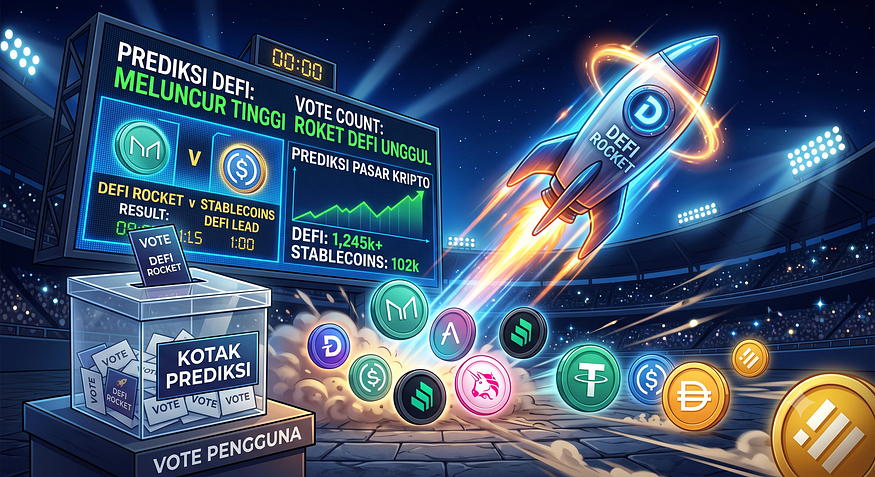
Beyond the projections of traditional analysts, the decentralized Prediction Market sector set a record as the fastest-growing crypto sector of 2026. The latest data for June shows that volume growth in this sector outpaced big names in other ecosystems such as Decentralized Finance (DeFi), Stablecoins, and ETP investment products. The explosion of this trend was driven by strong public interest in directly predicting the outcomes of political, economic, and sports events transparently through smart contract technology.
For Indonesia's blockchain community, the massive growth of Prediction Markets opens new insight into the utility of crypto assets. Local digital asset exchange platforms are now beginning to study integrating tokens from leading prediction market projects to accommodate high user demand. This organic phenomenon shows that crypto education among the public is maturing: they no longer see blockchain merely as a means of speculating on coin prices, but as a promising infrastructure for information governance and data consensus with rational financial incentives.
The Skyrocketing Trend of Tokenized Stocks

As the second quarter ended in June 2026, the adoption of real-world asset (Real World Assets) tokenization increasingly found its momentum. One of the trends drawing the most attention from exchange users in Indonesia is Tokenized Stocks, the tokenization of real company shares. A recent report from the news portal Pintu News on June 29, 2026 highlighted the five hottest tokenized stocks most actively traded by investors. This hybrid asset innovation is increasingly popular because it bridges the credibility of traditional stocks with the 24/7 liquidity flexibility typical of the crypto world.
The enormous interest in tokenized stocks marks a real evolution in the profile of domestic retail investors. Rather than focusing only on low-cap altcoins prone to volatility, investors are starting to diversify their portfolios with tokens that have a tangible underlying asset. The success of this trend also signals urgency for Indonesia's financial regulators to quickly draft a modern legal framework, ensuring the tokenized stocks ecosystem can operate safely without harming consumer protection rights.
The Transition of Crypto Asset Security to Post-Quantum Cryptography
High-level cybersecurity issues also colored discussions in Indonesia's crypto community in mid-year. According to a release from Pluang News, the United States government has just issued a specific directive to accelerate the transition to Post-Quantum Cryptography (PQC). The decision requires the core developers of Bitcoin and other major cryptocurrencies to promptly update their encryption algorithms. The goal is clear: to protect global blockchain networks from potential hacking by quantum computers (supercomputers) in the future.
News of this update to crypto's base-layer security received a positive response from Indonesia's blockchain technology community. Rather than viewing it as a crisis, domestic educators and investors see the PQC transition as a highly strategic upgrade. This anticipatory initiative further assures the market that the Bitcoin ecosystem is antifragile (resilient and continually improving itself). This technological adaptability strengthens the fundamentals of crypto investment in long-term scenarios.
OJK Issues Firm Rules for 'Financial Influencers' and Crypto KOLs
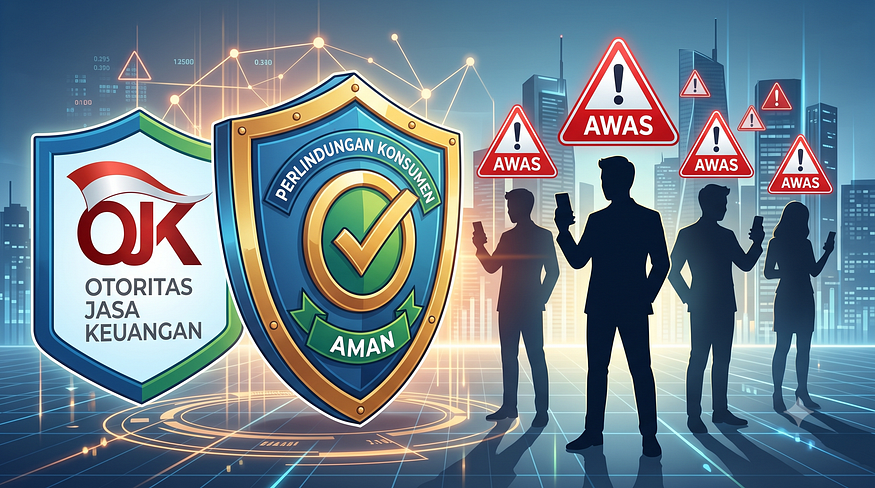
Closing out June 2026, the Financial Services Authority (OJK) took a crucial step to protect retail investors by issuing a new regulation on digital asset promotion. Through OJK Regulation (POJK) Number 6 of 2026 on the Conduct of Information Providers in the Financial Services Sector, enacted on June 24, the authorities now closely monitor the conduct of financial influencers (finfluencers), educators, and crypto Key Opinion Leaders (KOLs). The rule requires every content creator to deliver information transparently, strictly prohibits excessive overpromising of guaranteed profits, and requires disclosure of the economic interests (such as sponsorship) behind any promotion of coins or trading platforms.
The regulation was immediately welcomed by official industry players in Indonesia. Quoting the positive response of one crypto asset merchant platform on Voice of ASEAN, the new POJK is regarded as a milestone in the maturity of the domestic digital asset industry. The standardization of promotional ethics follows firm action by the PASTI Task Force, which earlier cracked down on several rogue KOLs. For the local crypto ecosystem, the rule will be highly beneficial, as it not only filters quality information for beginners but also pushes the crypto content creator profession toward becoming far more professional and trustworthy.